

Neuroplasticity, the brain’s ability to reorganize, allows consistent positive actions to reshape adolescent brains. This article explores how repetition, reinforcement, enriched environments, and social learning drive adaptive neural change, particularly for troubled teens, highlighting how wilderness therapy at Bald Eagle Boys Camp fosters lasting behavior change and improved emotional regulation.
What Is Neuroplasticity and How Does Positive Behavior Influence Brain Growth in Teens?
Neuroplasticity enables the brain to rewire through positive behaviors, driven by repetition, reward, and reduced stress, strengthening neural pathways for self-control and empathy.
Doing Right for Brain Health
Practicing self-control and responsibility strengthens pro-social neural pathways, especially with positive feedback. Reduced stress and routines optimize learning, improving impulse control and decision-making.
Importance for Youth Development
Adolescence is a critical period for brain malleability, making interventions highly effective. Structured programs reinforce adaptive skills, leading to durable changes in executive function and emotional regulation. Wilderness and nature therapy boost neuroplasticity by reducing stress, offering physical challenges, and providing novel learning, creating an enriched environment for behavior change.
Nature’s Role in Brain Growth for Troubled Youth
Nature exposure reduces stress and improves focus, freeing cognitive resources for learning. Varied sensory input and guided risk-taking offer repeated practice, generalizing to better decision-making.
- Nature supports brain change through: Reduced physiological stress, improving learning. Physical activity, stimulating neuron growth and executive control. Novel, multi-sensory challenges, promoting flexible neural adaptation.
Wilderness Therapy Fosters Positive Brain Changes
Wilderness therapy combines experiential challenges with reflection and mentoring, accelerating learning. Processing obstacles with staff and peers creates strong memories and social reinforcement, leading to automatic adaptive responses.
How Does Bald Eagle Boys Camp Use Neuroplasticity to Support Positive Behavior and Emotional Growth?

Bald Eagle Boys Camp leverages neuroplasticity through structured routines, skill practice, and mentoring. This environment rehearses self-regulation and frequently practices/rewards prosocial behaviors, supporting neural consolidation and skill transfer.
Programs for Brain-Healthy Habits
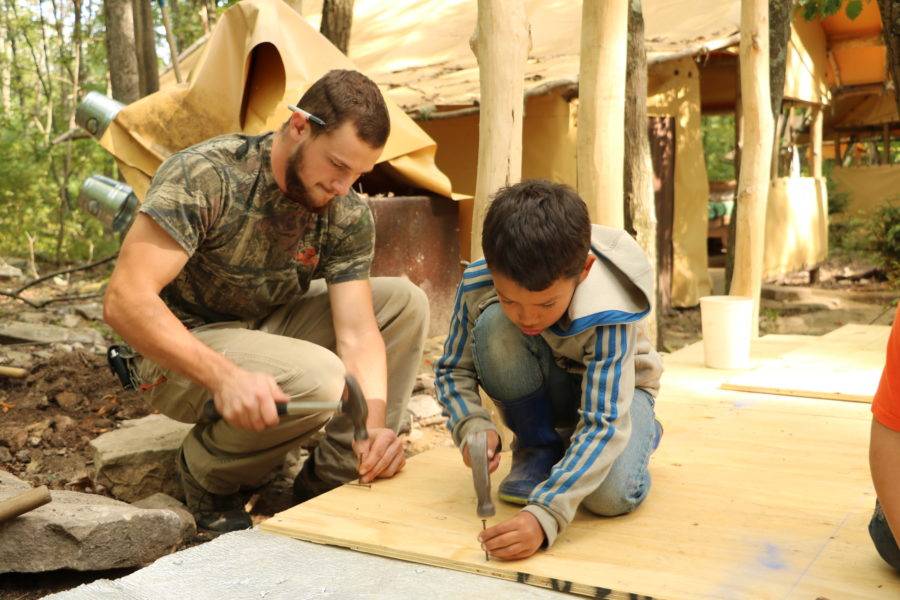
The camp integrates outdoor skills, cooperative challenges, reflection, and mentorship. Skill tasks build procedural learning, group sessions reinforce executive networks, and mindfulness improves emotional regulation.
| Program Element | Neuroplasticity Target | Expected Benefit |
|---|---|---|
| Skill-based outdoor tasks | Repetition & novelty | Improved executive control and procedural memory |
| Mentor-student relationships | Social reinforcement | Strengthened prosocial neural circuits |
| Structured routines | Cue-dependent practice | Habit formation and behavior persistence |
Camp Environment Reinforces Lasting Change
Consistent expectations, peer norms, and daily rituals scaffold habit formation. Social reinforcement and staff modeling help generalize skills, ensuring neural changes transfer into adaptive patterns.
- Key environmental features for lasting change: Predictable daily routines. Peer accountability. Progressive skill challenges.
Why Are Camps for Troubled Youth Like Bald Eagle Boys Camp Effective for Brain Health and Development?
Structured youth camps offer enriched learning, social reinforcement, and practice, fostering neural and behavioral gains. Well-designed interventions with repetition, mentorship, and post-program support lead to lasting improvements in executive function and emotional regulation.
Long-Term Positive Brain Changes
Skill acquisition in supportive environments leads to habitual, neurologically consolidated behaviors. Camps with transition planning and mentoring increase durable behavioral improvements, providing a strong start for long-term positive trajectories.
- Indicators of long-term benefit: Clear home transition plans. Ongoing mentoring/follow-up. Observable improvements in self-control and peer relationships.
Bald Eagle Boys Camp aligns with neuroplasticity principles through routine, mentorship, outdoor skill-building, and reflective processing. For more information, contact the camp.
Conclusion
Neuroplasticity underscores the transformative power of structured programs like Bald Eagle Boys Camp. By fostering positive behaviors through nature-based activities, adolescents can significantly improve emotional regulation and executive function. Explore Bald Eagle Boys Camp’s unique approach to support your child’s growth.
Frequently Asked Questions
Q: What is neuroplasticity?
A: Neuroplasticity is the brain’s remarkable ability to reorganize itself by forming new neural connections throughout life. It allows the brain to adapt, learn, and heal in response to experiences.
Q: How does Bald Eagle Boys Camp utilize neuroplasticity?
A: The camp uses structured routines, skill-based outdoor tasks, chief-camper relationships, and a supportive environment to provide consistent positive actions and reinforcement. This helps strengthen neural pathways for self-control, empathy, and adaptive behaviors.
Q: What are the key benefits for troubled teens at the camp?
A: Teens can experience improved emotional regulation, enhanced executive function (like impulse control and decision-making), reduced behavioral incidents, and the development of lasting prosocial habits through an enriched learning environment.