

How Parents Can Recognize Emotional Struggles in Their Son
TL:DR: Recognizing emotional struggles in your son early is crucial for his well-being. Look for signs like isolation, mood swings, and falling grades. Support him through honest conversations, stable emotional presence, and mentorship programs such as Bald Eagle Boys Camp. Seek professional help if symptoms worsen or persist. Encouraging communication and resilience-building activities can greatly aid his emotional development.
Identifying emotional struggles in your son is essential for his well-being and development. Parents may not always recognize signs that appear in different ways. This article offers practical guidance to spot difficulties and provide support, helping create a nurturing environment that encourages communication and builds resilience.
Common Emotional Signs That My Son Is Struggling
Emotional struggles often show through observable signs such as:
- Isolation: Withdrawal from friends and family.
- Mood Swings: Frequent irritability or sadness.
- Falling Grades: Sudden drop in academic performance.
Early recognition allows timely intervention.
Behavioral Changes Indicating Emotional Distress
Watch for behavioral shifts like:
- Increased Risk-Taking: Engaging in dangerous activities.
- Changes in Social Interactions: Altered peer relationships.
These changes help guide appropriate support.
Providing Effective Emotional Support
Support your son by:
- Engaging in Honest Conversations: Encourage sharing feelings without judgment.
- Staying Emotionally Steady: Offer stability and understanding.
- Trusting Camp Staff: Programs like Bald Eagle Boys Camp provide additional mentorship.
These strategies strengthen emotional well-being and resilience.
Communication Strategies to Help Boys Express Feelings
Try:
- Low-Pressure Discussions: Create relaxed settings for talking.
- Encouraging Letter Writing: Use writing to express feelings when talking is hard.
Youth Mentorship and Emotional Resilience

Mentors help by:
- Guided Therapy Discussions: Facilitating conversations about emotions.
- Building Trust and Security: Providing a safe space to explore feelings.
When to Seek Professional Help
Consider professional support if you notice:
- Signs of Regression: Decline in skills or behaviors.
- Need for Additional Support: Home and school resources are insufficient.
Warning Signs Indicating Therapy
Therapy may be needed for:
- Isolation: Social withdrawal.
- Mood Swings: Extreme emotional changes.
- Falling Grades: Academic struggles linked to emotions.
Resources for Anxiety and Depression
Helpful resources include:
- Therapeutic Camping: Outdoor activities combined with therapy.
- Counseling and Support Groups: Professional emotional guidance.
Benefits of Programs Like Bald Eagle Boys Camp
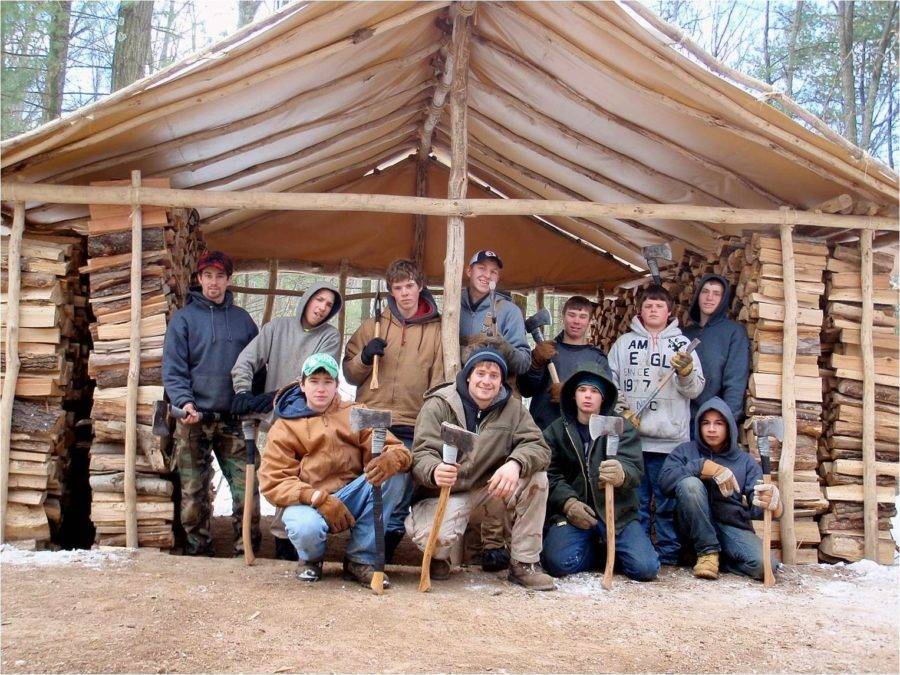
Bald Eagle Boys Camp offers:
- Character Development: Building self-esteem and resilience.
- Emotional Growth: Promoting awareness and coping skills.
- Social Skills: Fostering peer interaction in a supportive setting.
How Residential Camp Promotes Emotional Growth
Key factors:
- Community and Belonging: Fostering support through group belonging.
- Holistic Approach: Addressing emotional, social, and physical health.
Frequently Asked Questions
What are the signs my son may need immediate emotional support?
Persistent sadness, extreme irritability, major changes in appetite or sleep, expressions of hopelessness, or talk of self-harm require urgent attention. Contact a mental health professional if he shows self-destructive behavior or withdraws completely.
How can I encourage my son to talk about his feelings?
Create a safe, non-judgmental space and model openness. Use open-ended questions and shared activities. Listen actively and validate his feelings to build trust.
What role does school play in supporting emotional health?
Schools offer counseling, social-emotional learning, and referrals. Teachers can identify distress and connect students to services. Peer support groups and workshops may also be available.
How can I help my son build emotional resilience?
Teach coping and problem-solving skills, encourage facing challenges, praise effort, and foster strong relationships. Activities like sports or arts boost self-esteem and resilience.
What if my son refuses to talk about his feelings?
Respect his boundaries, but stay available. Offer alternative outlets like art or physical activity. Reassure him and consider involving a trusted adult or professional.
Are there activities that improve emotional health?
Physical exercise, creative outlets, mindfulness practices, and quality time with family and friends support emotional well-being.
Conclusion
Recognizing and addressing emotional struggles in your son is vital. By noting signs and using effective support strategies, you can foster resilience. Mentorship and professional resources provide further help. Explore local programs to support your son’s emotional health.