

Read Time: 8 min
When parents first reach out to Bald Eagle Boys Camp, a question they may ask is simple: “Why does it matter that we live nearby?” On paper, a program located in central Pennsylvania might seem like a place where a struggling young man goes away to reset while life at home continues as usual. However, true wilderness therapy family involvement in Pennsylvania looks radically different from traditional residential treatment models. At Bald Eagle Boys Camp, proximity isn’t a logistical hurdle or an arbitrary admissions rule; it is an active, vital element of the therapeutic design.
Healing does not happen in a vacuum, nor does a boy grow in isolation from the family structure that surrounds him. By maintaining a four-hour driving radius around our camp in Mill Hall, Pennsylvania, we ensure that parents remain full partners throughout every phase of their son’s 18-month journey. When a young man faces emotional or behavioral challenges, lasting transformation requires that the whole family system heals and adapts together.
In this guide, you will learn how our Family Partnership model works in practice, what to expect during regular 6-week home visits, and why physical proximity between your home and our central PA campus directly drives long-term success.
TL;DR / Quick Summary
Bald Eagle Boys Camp requires enrolled families to reside within a 4-hour driving radius of Mill Hall, PA, because long-term emotional and behavioral healing requires active, continuous family participation rather than isolated treatment.
Key Takeaways:
- Active Co-Therapy: Parents work continuously alongside dedicated family workers to support their son’s progress and personal growth.
- Structured 6-Week Visits: Boys return home every six weeks to apply communication and relational skills directly in their natural home environment.
- Mid-Atlantic Reach: The 4-hour radius covers major hubs including Philadelphia, Pittsburgh, Baltimore, Washington D.C., NYC metro, Harrisburg, and Scranton.
- Parallel Family Growth: Continuous communication and real-time guidance ensure parents and sons evolve together, preventing post-graduation relapses.
Why the Family Partnership Model Requires You to Be Close
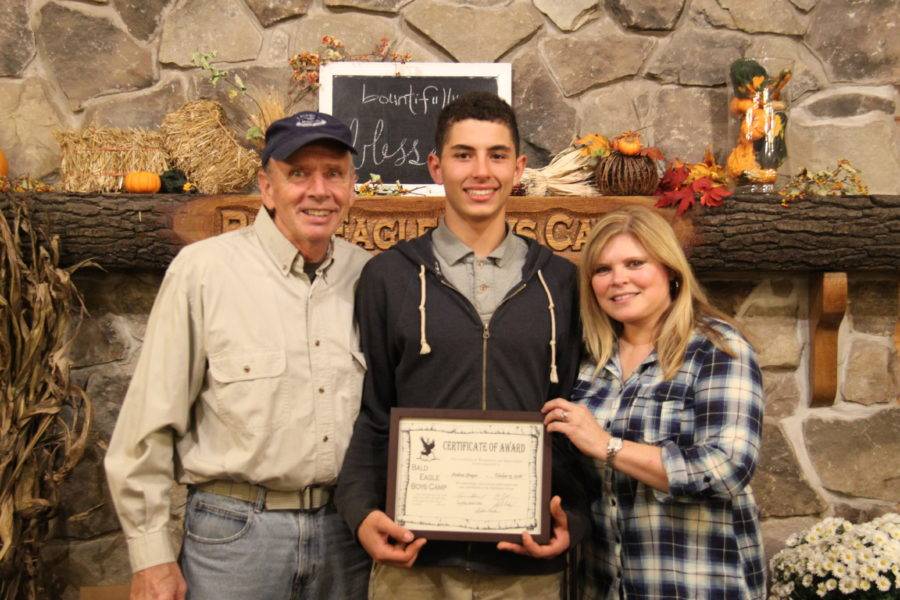
In many traditional residential or wilderness programs across the United States, children are sent thousands of miles away to remote locations for months at a time. While this creates an immediate break from negative peer influences, it often creates a secondary problem: the “greenhouse effect.” A young man may thrive inside a highly controlled, isolated environment, but upon returning home, old patterns immediately re-emerge because the family dynamic remained unchanged.
The Family Partnership model at Bald Eagle Boys Camp breaks this cycle by expecting parents to work alongside their sons throughout the entire 18-month process. Effective wilderness therapy family involvement in Pennsylvania depends on physical accessibility for three fundamental reasons:
1. Dedicated Support from Staff Family Workers
Family workers are a vital part of our program. They are usually the first image of camp that our families see. After a child comes to camp, the family worker’s job is to create a climate of understanding and communication between camp and the family. They work hard to help a family understand what their son is experiencing at camp through frequent calls, emails, and ongoing dialogue. Family workers are there to support families as they work on their own goals, personal development, and communication strategies while their son progresses through the program. For more on how intake and enrollment work, see our page answering common questions about camp.
2. Direct Accessibility from Major Mid-Atlantic Metros
Mill Hall, PA, is strategically situated in Clinton County, central Pennsylvania. The 4-hour driving boundary creates a realistic, manageable travel zone for families located throughout Pennsylvania and neighboring Mid-Atlantic states. Major metropolitan areas within this radius include:
- Pennsylvania: Philadelphia (approx. 3.5 hours), Pittsburgh (approx. 3 hours), Harrisburg (approx. 1.5 hours), Allentown, Scranton, Erie, and Lancaster.
- Maryland & Washington D.C.: Baltimore (approx. 3.5 hours), Annapolis, Frederick, and the greater D.C. metropolitan area (approx. 3.8 hours).
- New York & New Jersey: New York City metropolitan area (approx. 3.5–4 hours), northern New Jersey, Trenton, and the Southern Tier of New York.
- Delaware & West Virginia: Wilmington, Newark, and the northern panhandle of West Virginia.
3. Shared Accountability and Immediate Response
When family meetings or crucial milestone discussions take place, proximity eliminates the barrier of overnight cross-country flights. Active parental participation is a key feature of therapeutic progress [1]. Proximity converts therapeutic concepts into active, continuous family practice.
What the 6-Week Home Visits Actually Look Like
A foundational element of the Bald Eagle Boys Camp experience is the rhythm of 6-week home visits. Rather than keeping a boy removed from his home environment for a year or more, our structure alternates intensive outdoor group living with structured time back in the family home.
The Cycle of Growth and Application
Every six weeks, boys return home for a planned four-day visit. These visits are intentional, real-world opportunities for a young man to practice the communication, problem-solving, and emotional regulation skills he is learning at camp within his natural home environment.
During these visits, parents and sons have the opportunity to work through everyday household interactions together. Family workers remain available to offer encouragement, guidance, and phone support, helping parents navigate challenges as they arise and celebrating progress when the visit concludes.
How Visits Support Progress Over 18 Months
As a student moves through the 18-month program, the focus of home visits naturally evolves. Early visits center on establishing healthy routines, practicing calm communication, and building mutual understanding. Over time, as a boy gains greater emotional maturity and responsibility, home visits allow the family to practice long-term relational habits and navigate real-world decisions together, preparing everyone for a smooth transition after graduation.
How Proximity Supports Long-Term Success
The ultimate goal of wilderness therapy is not merely surviving camp life; it is building a foundation for a healthy adulthood. Proximity directly strengthens long-term success by keeping the home environment evolving at the same pace as the boy.
Healing Happens at Home Too
When a boy transforms, his home environment must be prepared to receive him as a changed individual. If parents do not undergo their own parallel growth, old family dynamics may unconsciously push the boy back into former behavior patterns. Because parents within the 4-hour radius receive ongoing encouragement from family workers and participate directly in 6-week visits, the entire family evolves together.
To hear directly from families who have completed this journey, explore our parent testimonials.
Common Family Involvement Mistakes to Avoid

1. Treating Wilderness Therapy as a “Quick Fix” Drop-Off
What people do wrong: Assuming that sending a child away to camp will “fix” his behavior while the home environment remains completely unchanged.
Why it’s a problem: Isolated treatment produces short-term behavioral compliance that quickly collapses once the child returns to unchanged home dynamics.
The right approach: View enrollment as a full-family commitment where parents actively learn new communication and boundary-setting strategies alongside their son.
2. Viewing the 4-Hour Radius as an Obstacle
What people do wrong: Searching for workarounds or requesting distance exemptions to avoid regular travel to central Pennsylvania.
Why it’s a problem: Distance prevents in-person connection and makes 6-week home visits cost-prohibitive and exhausting.
The right approach: Embrace the 4-hour radius as a built-in structural support that keeps you directly connected to your son’s healing process.
Conclusion
At Bald Eagle Boys Camp, the 4-hour radius rule is not a barrier to care; it is a commitment to care that works. By keeping families close to our Mill Hall, PA camp, we ensure that parents remain active partners in their son’s growth, that 6-week home visits provide meaningful opportunities to practice new skills, and that healing takes root where it matters most: inside the home.
If your family resides in Pennsylvania or the surrounding Mid-Atlantic region and you are seeking a proven, outdoor-focused path toward lasting family restoration, contact us today to schedule a tour and discuss enrollment options.
Frequently Asked Questions
What cities and states are within the 4-hour radius of Mill Hall, PA?
The 4-hour driving radius encompasses central, eastern, and western Pennsylvania, as well as major portions of Maryland, Delaware, New Jersey, Northern Virginia, Washington D.C., and southern New York. Key cities include Philadelphia, Pittsburgh, Baltimore, Washington D.C., Harrisburg, Scranton, Allentown, Lancaster, and the NYC metropolitan area.
What happens during the 6-week home visits?
During 6-week home visits, boys return home for four days to practice communication, emotional regulation, and responsibility within their family environment. Family workers provide ongoing phone support to help parents navigate challenges and evaluate progress during the stay.
Can families outside the radius apply for an exception?
Because active family participation and regular 6-week home visits are critical to our Family Partnership model, geographical exceptions are rarely granted. Families outside the 4-hour driving radius are encouraged to contact admissions to discuss regional options or eligibility.
How often can parents visit or contact their son during the program?
Beyond the regular 6-week home visits, parents maintain frequent contact through phone calls and emails with dedicated family workers, as well as attending scheduled family days and progress updates throughout the 18-month program.
What does ‘Family Partnership’ mean in practice?
Family Partnership means parents are active co-participants in the therapeutic process rather than passive observers. Parents commit to working with camp family workers, implementing consistent communication strategies at home during visits, and examining family dynamics alongside their son.
Sources:
NCBI / National Institutes of Health — A Review of Parent Participation Engagement in Child and Family Mental Health Treatment