
Read Time: 10 min
Most boys who come to Bald Eagle have already learned not to trust adults in authority. If you are parenting a son who is angry, withdrawn, or defiant, you have likely sat in waiting rooms while he attended fifty-minute counseling sessions, received notes from school administrators, or watched him cycle through behavioral specialists. Struggling young men develop an acute radar for clinical distance; they know when an adult is being paid by the hour to manage their behavior, and exactly when that adult clocks out.
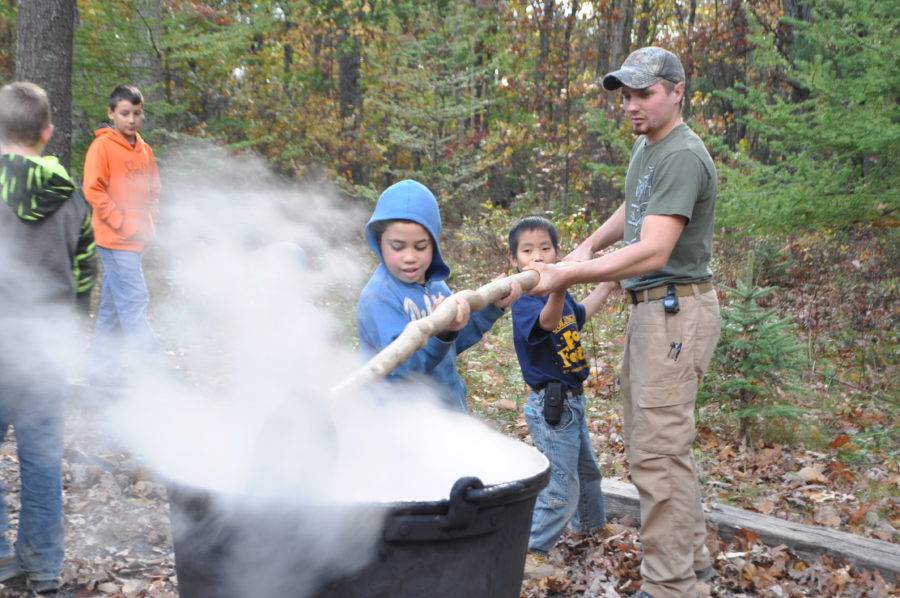
When adolescent resistance runs deep, conventional outpatient therapy often hits an impasse. Lasting behavioral change requires mentors who do not supervise from behind a desk or hand off a clipboard at shift change. At Bald Eagle Boys Camp, mentors known as Chiefs live, work, eat, and problem-solve alongside campers.
This guide covers how the continuous Chief model operates, why living shoulder-to-shoulder dismantles emotional defensiveness, and how shared daily reality accomplishes what shift-based clinical care cannot.
TL;DR / Quick Summary
The Chief model at Bald Eagle Boys Camp replaces rotating, shift-based supervision with continuous 24/7 relational mentorship to rebuild trust in struggling boys.
Key Takeaways:
- Minimized Relational Handoffs: Chiefs live directly in the campsite, eliminating the inconsistency caused by rotating shift workers.
- Shoulder-to-Shoulder Labor: Trust develops through shared chores, wilderness projects, family-style meals, and real-time problem-solving.
- Immediate In-Context Resolution: Conflicts are worked through on the spot rather than deferred to a weekly office session.
- Long-Term Character Integration: Two-year staff tenure gives boys ages 9-15 steady male role models who embody patience and accountability.
The Problem with Shift-Based Therapy: When Adults Clock Out
Traditional residential treatment centers and therapeutic boarding schools rely heavily on eight-hour employee shifts. Your son might see a therapist twice a week, a day-shift supervisor from 7:00 AM to 3:00 PM, an evening recreation team until 11:00 PM, and an overnight monitor after that.
Shift rotations satisfy staffing schedules, but they introduce real friction for a skeptical, defensive boy:
- The Masking Dynamic: When staff rotate three times a day, boys learn situational performance fast, holding their temper for a morning supervisor’s privilege points, then releasing pent-up hostility on a newer evening worker.
- Fragmented Context: Emotional nuance gets lost at shift-change handoffs. A conflict that started over morning chores becomes a two-sentence log entry, and the boy feels handled like a case file rather than a person.
- The Absence of Observable Adulthood: The article Creating Permanency After Disrupted Displacement emphasizes consistent, predictable environments are a key factor in recovery. An environment where caregivers model steady emotional regulation across different situations aids in this process. When adults only show up in clinical blocks, a boy never gets to see how a grown man handles exhaustion, bad weather, or a bad day.
What a Chief Actually Does: Living Alongside, Not Managing From Above

Each group of ten to twelve boys lives in an outdoor wilderness camp under the guidance of two Chiefs, whose home is the same campsite as your son’s.
- Shoulder-to-Shoulder Labor: A Chief doesn’t stand back barking orders while boys chop firewood or haul water; he swings the axe and gets mud on his own boots. This dissolves the “us versus them” dynamic that derails so many institutional interventions. Some boys don’t follow adults who demand respect; they follow the ones who earn it through mutual effort.
- Immediate, Real-Time Problem Solving: When a boy melts down or starts a conflict mid-project, the Chief pauses the activity on the spot. The group circles up to name what happened and work through it before moving forward, rather than waiting for a scheduled session.
- Modeling Vulnerability and Servant Leadership: When rain soaks the tents or temperatures drop during a central Pennsylvania winter, the Chief makes sure every boy is warm, dry, and fed before tending to himself.
How Trust Is Built Through Shared Daily Life
Trust isn’t lectured into a resistant kid; it’s built through hundreds of small, consistent interactions.
According to the Search Institute’s research on developmental relationships, positive youth outcomes are tied to five elements: adults who express care, challenge growth, provide support, share power, and expand possibilities. A continuous wilderness setting puts all five in play around the clock, though it’s worth noting this research describes relationship principles broadly; it wasn’t conducted on wilderness mentorship specifically. Here’s how those principles show up on the ground:
Natural Consequences: If a boy skips covering the firewood before a storm, the wood gets wet, and dinner is delayed. The Chief doesn’t need to yell; he works the problem alongside the group.
Unshakeable Relational Security: Resistant boys test adults to see if they’ll retaliate or walk away. A Chief who stays calm day after day gradually makes that defensive strategy pointless.
What You Can Handle at Home vs. When to Seek Wilderness Mentorship
Deciding between continued outpatient support and full-time wilderness intervention is one of the harder calls a family will make.
Signs outpatient support is still working:
- Receptive to Weekly Guidance: he engages with his therapist and tries strategies between sessions.
- Intact Home Safety: conflict happens, but doesn’t escalate to violence, property destruction, running away, or substance use.
- Positive Peer Anchors: he keeps at least one healthy friendship and stays engaged in school or activities.
Signs outpatient support has reached its limit:
- Therapy-Wise Resistance: he’s learned the vocabulary to “pass” sessions without changing behavior at home or school.
- Severe Parent-Child Polarization: every boundary triggers explosive conflict or total shutdown.
- Compounding Decline: truancy, failing grades, and negative peer influence keep escalating despite school and community support.
When to consider full-time wilderness mentorship: when toxic digital influence, destructive peer networks, and daily conflict have created a cycle that can’t break while your son stays in the same environment.
Red flags requiring immediate action: documented self-endangerment, violence toward family members, defiance of legal authorities, or chronic school refusal. Read more about how to recognize emotional struggles in your son here.
Common Adolescent Crisis Mentorship Mistakes to Avoid
1. Relying on Short-Term, Shift-Based Programs
What people do wrong: placing a struggling boy in a 30-to-60-day facility where rotating staff enforce compliance through a point system.
Why it’s a problem: short stays and rotating staff teach boys to play the system long enough to earn release; the underlying issues stay untouched.
The right approach: a longer, relationship-driven program, typically 12 to 18 months, gives character changes time to become habits rather than a performance.
2. Treating Root Issues with Isolated 50-Minute Sessions
What people do wrong: expecting one weekly appointment to undo years of defensive habits while the boy stays immersed in the same peer group and digital environment.
Why it’s a problem: fifty minutes a week can’t compete with the other 167 hours.
The right approach: remove the negative environment entirely and let mentorship happen across every waking hour.
3. Using Punitive Isolation Instead of Shoulder-to-Shoulder Accountability
What people do wrong: relying on grounding, room confinement, or silent “behavioral rooms” as the primary disciplinary tool.
Why it’s a problem: isolated boys may stew in resentment and withdraw further, confirming their belief that adults will reject them.
The right approach: keep the boy engaged in the group, pairing firm accountability with immediate connection and a restorative task.
What Bald Eagle Looks for in a Chief
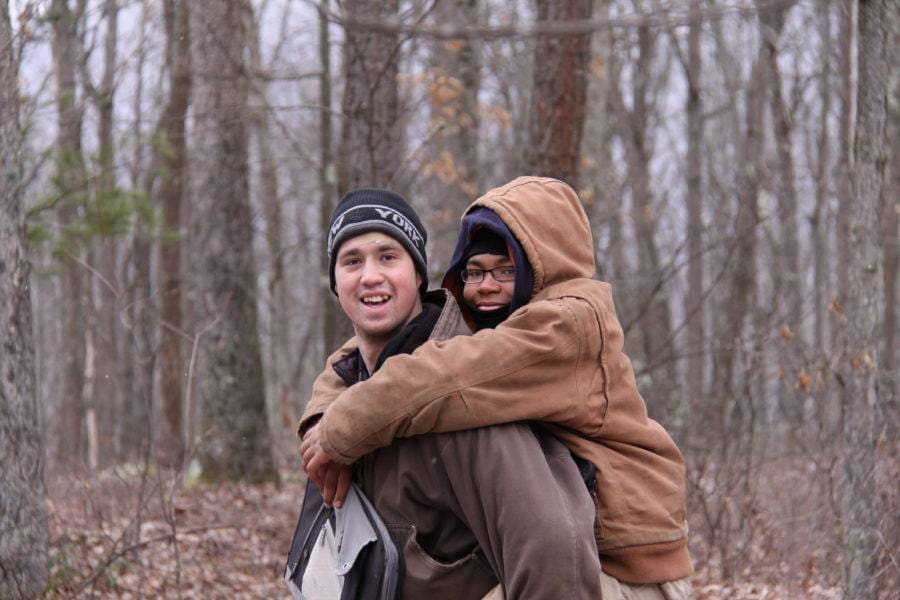
Working as a therapeutic wilderness mentor takes specific character and training.
- Christian Character and Servant Mindset: humility, integrity, steady faith
- High Emotional Regulation: calm presence under real behavioral testing
- Two-Year Relational Tenure: a more continuous presence through a boy’s stay
Spiritual Integrity: Chiefs lead by example, not pressure modeling patience and moral clarity through daily actions rather than lectures.
De-Escalation Mastery: When a boy screams or tries to provoke a reaction, a Chief stays steady. Chiefs are trained so they can absorb that turbulence without reacting in anger.
Two-Year Commitment: Because a group of boys may stay 12 to 18 months, Chiefs commit to two-year tenures so a boy has the same face across his whole stay, not a rotating cast tied to summer schedules.
If you’re weighing whether a program like this is right for your son, it’s worth asking any camp directly about its state licensing and accreditation status alongside its mentorship model; both matter to the outcome.
Conclusion
Lasting change for a struggling boy isn’t built through clinical detachment or rotating shifts. When a boy realizes his Chief isn’t going home at the end of the day, that he’ll be at the fire in the morning, on the cabin roof in the afternoon, and by the wood stove at night, his defenses start to come down.
Through that continuous presence, boys at Bald Eagle rebuild direction, restore respect for authority, and build character meant to last well past their time in camp. If your family is navigating an ongoing crisis, contact us, and we can help you think through whether wilderness mentorship is the right next step.
Frequently Asked Questions
What is a “Chief” at Bald Eagle Boys Camp?
A Chief is a mentor who lives alongside a small group of boys in an outdoor camp, cooking, working, and sleeping in the campsite rather than working an eight-hour shift.
How many boys does each Chief work with at a time?
Two full-time Chiefs lead a single group of ten to twelve boys, keeping the ratio low enough for individualized daily attention.
What happens if my son resists connecting with his Chief?
Initial resistance is expected. Because Chiefs stay patient and present through behavioral testing without taking it personally, most boys gradually lower their guard as they experience consistency over time.
How is the Chief model different from a traditional camp counselor?
A camp counselor provides temporary supervision during activities. A Chief is a long-term mentor who lives with the group through every season and guides day-to-day conflict resolution and character growth.
How long do Chiefs commit to working at Bald Eagle?
Chiefs commit to two-year tenures rather than seasonal rotations, so a boy has consistent leadership throughout his stay instead of a new face each season.
Related Resources
- Long-Term Wilderness Therapy For Youth: The 18 Month Journey
- How The Wilderness Environment Shapes Boys Into Stronger, More Capable Young Men
- The Strength of Group Community: How Group Living Empower Boys
Sources
- Creating Permanency After Disrupted Displacement — Link to Article
- Search Institute — Developmental Relationships Framework